

Understanding Materials and Construction in Modern Vape Devices


The finished appearance of a compact electronic device is only one part of its construction. Behind the exterior is a combination of materials, electronic components, structural supports, and manufacturing processes that determine how the product comes together.
Understanding these elements provides useful context when looking at modern vape devices and their overall construction.
Materials Influence the Finished Product
The materials selected for a device affect its physical characteristics.
Exterior materials need to provide an appropriate balance between weight, structural support, appearance, and manufacturing requirements.
The choice of material can also influence how different components are assembled into the final product.
The Exterior Protects Internal Components
A device enclosure does more than create its visual appearance.
It provides a physical structure around internal components such as the battery, coil system, display, and supporting electronics.
The exterior therefore needs to accommodate these components while maintaining a practical overall form.
Internal Space Requires Careful Planning
Compact devices have limited internal space.
Different components must be positioned carefully so that they can function within the available area without creating unnecessary gaps or pressure points.
This makes internal layout an important part of product engineering.
Battery Placement Matters
The battery is one of the larger components inside a compact electronic device.
Its position needs to be considered alongside other hardware and the overall dimensions of the product.
VAPEHUB products use an 850mAh rechargeable battery, making battery placement one of the considerations within the wider internal structure.
The Coil System Requires Its Own Space
The coil is another internal component that needs to be integrated into the product structure.
VAPEHUB devices use a triple mesh coil with 0.5Ω resistance.
The coil system must be positioned correctly within the overall architecture while remaining compatible with the other internal components.
Capacity Also Influences Construction
An 18ml e-liquid capacity requires dedicated internal space.
This creates another design consideration because the capacity needs to fit within the product’s overall physical dimensions alongside the battery and other components.
The relationship between capacity and enclosure design is therefore important.
Display Integration Adds Complexity
A digital display needs to be integrated into the exterior of the device.
The display has to be positioned so that it remains visible while also fitting securely within the surrounding structure.
This creates an additional connection between internal electronics and exterior design.
Dimensions Reflect Multiple Design Decisions
VAPEHUB products measure 53 × 28.8 × 97.9 mm.
These measurements represent more than the product’s external appearance. They also reflect the space available for internal components and the structural decisions made during development.
Small changes to the dimensions can influence the arrangement of internal hardware.
Manufacturing Precision Matters
Even a well-designed product needs accurate manufacturing.
Components need to be produced within appropriate tolerances so that they can be assembled consistently.
Precision becomes particularly important when multiple components need to fit within a compact enclosure.
Structural Consistency Across a Product Range
A product collection benefits from consistent construction standards.
When similar products use a common design framework, manufacturing processes can become more predictable and product information can remain easier to organise.
Different collections can still have distinct visual identities while sharing underlying construction principles.
Construction and Product Presentation Work Together
The physical construction of a product eventually becomes part of its visible presentation.
The shape, proportions, display placement, exterior finish, and overall structure all contribute to how the finished device appears.
This is why industrial design and engineering are closely connected.
Looking Beyond the Exterior
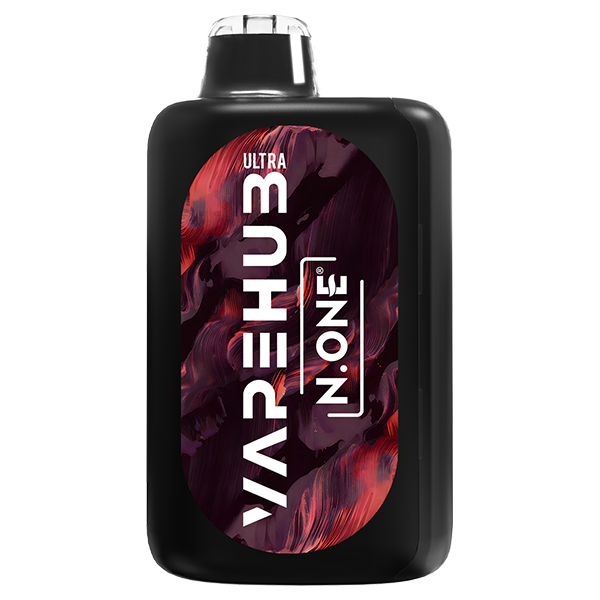
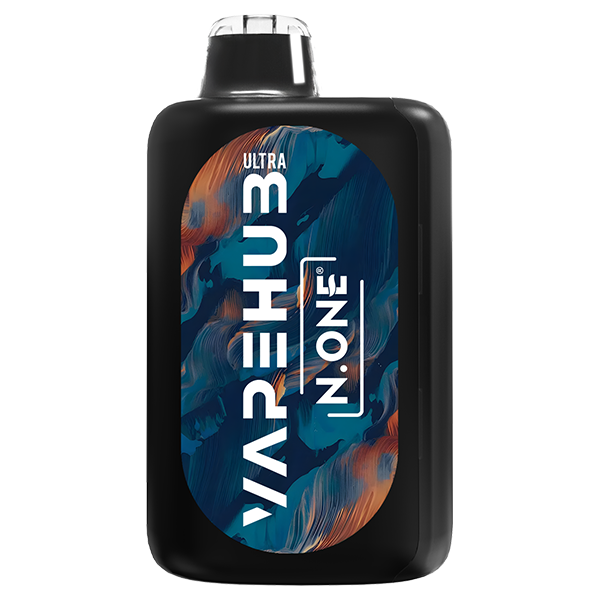
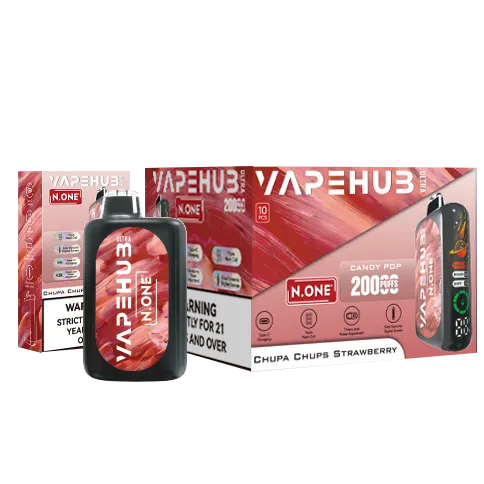
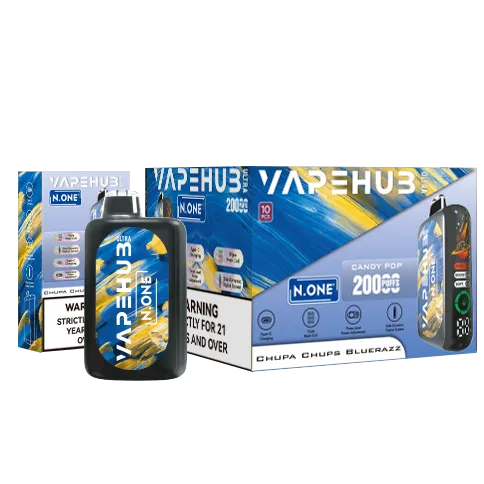
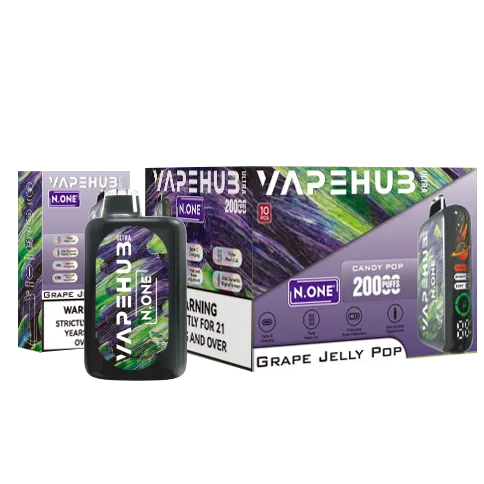
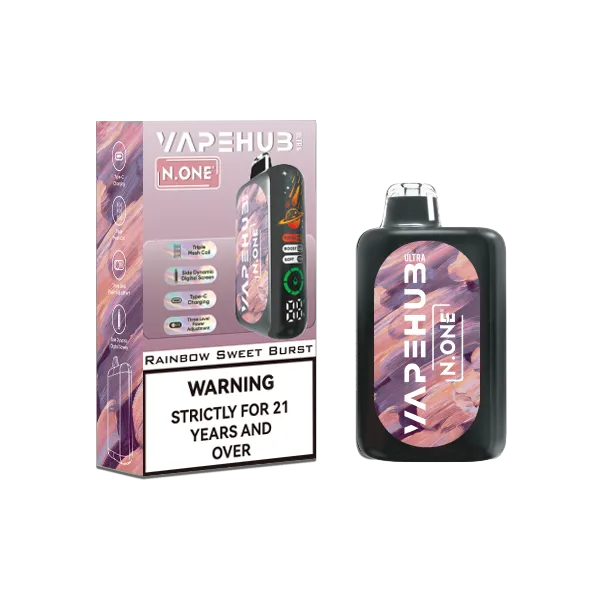
A product photograph only shows part of what has gone into a device.
The finished product represents the combination of:
- Exterior materials
- Internal component placement
- Battery configuration
- Coil system
- Capacity
- Display integration
- Manufacturing precision
- Structural design
Each element contributes to the final construction.
Conclusion
Modern vape devices are the result of multiple design and manufacturing decisions working together.
Materials determine the physical foundation, while internal components need to be carefully arranged within the available space. Battery placement, coil configuration, capacity, display integration, dimensions, and manufacturing precision all contribute to the finished structure.
Looking beyond the exterior provides a clearer understanding of how compact electronic products are designed and assembled.